Roman Concrete: The Stone That Heals Itself
How Rome's concrete has lasted 2,000 years. Volcanic ash, lime and a hot mixing trick gave Roman concrete the strength to hold up the Pantheon dome and survive 2,000 years of seawater.
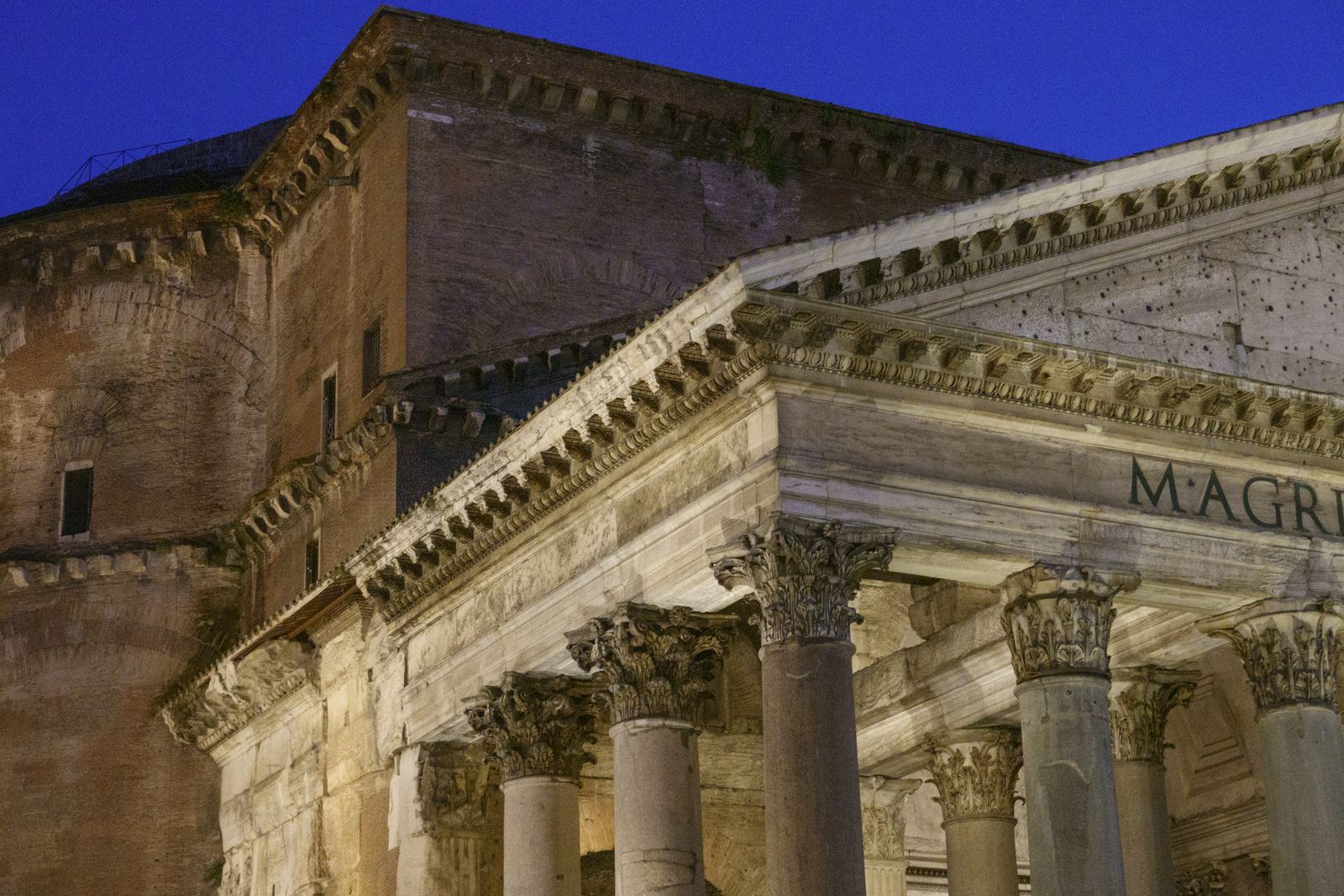
The Pantheon's portico and dome, Rome: Nhartmannphotos, CC BY-SA 4.0
Building with volcanic ash
The Romans did not invent concrete, but they turned it into the material that built their world. Their recipe, opus caementicium, mixed lime with volcanic ash and chunks of rock or broken brick. The best ash came from around the Bay of Naples, near the town of Pozzuoli, which is why this kind of ash is still called pozzolana.
The architect Vitruvius, writing in the late first century BCE, recommended one part lime to three parts volcanic ash for strong mortar. The ash reacts chemically with lime and water, so the mix sets hard even in damp conditions. That let builders pour vaults, domes, aqueducts and harbor walls that would have been impossible in cut stone alone.
Video: What's the Matter With... Ancient Roman Concrete? With Admir Masic, MIT CEE (CSHubMIT), embedded from YouTube.
The dome that still holds
The Pantheon in Rome, rebuilt under the emperor Hadrian and finished around 126 CE, is the showpiece. Its dome spans 43.3 meters, exactly the same as its height from the floor to the open oculus at the top, which is about 9 meters wide. Nearly 2,000 years later it is still the largest unreinforced concrete dome in the world.
The builders made it lighter as it rose. Heavy travertine went into the lowest parts, then brick, then light volcanic tuff and pumice near the top. The shell thins from about 6.4 meters at the base to about 1.2 meters around the oculus, and 140 sunken coffers trim away even more weight.
Concrete that loves the sea
Roman harbor walls are even stranger. Modern concrete slowly breaks down in seawater, but Roman marine concrete seems to grow stronger. Researchers found that seawater soaking through the volcanic ash helps rare minerals, aluminous tobermorite and phillipsite, crystallize inside the material, binding it together over centuries.
The 2023 hot mixing discovery
For years, scientists puzzled over small white lumps of lime scattered through Roman concrete. Many assumed they were a sign of careless mixing. In 2023 a team led by Admir Masic at MIT, studying samples from the ancient town of Privernum, argued the opposite in the journal Science Advances.
They concluded the Romans often mixed with quicklime rather than slaked lime, a process called hot mixing that gets very hot and leaves behind those brittle lime clasts. When a crack forms and water seeps in, the clasts dissolve and recrystallize as calcium carbonate, filling the gap. In tests, cracked hot-mixed samples sealed themselves within two weeks, while samples made without quicklime kept leaking. Engineers now hope to borrow the trick to make longer-lasting, lower-carbon concrete.
- The Pantheon's portico and dome, Rome: Nhartmannphotos, CC BY-SA 4.0
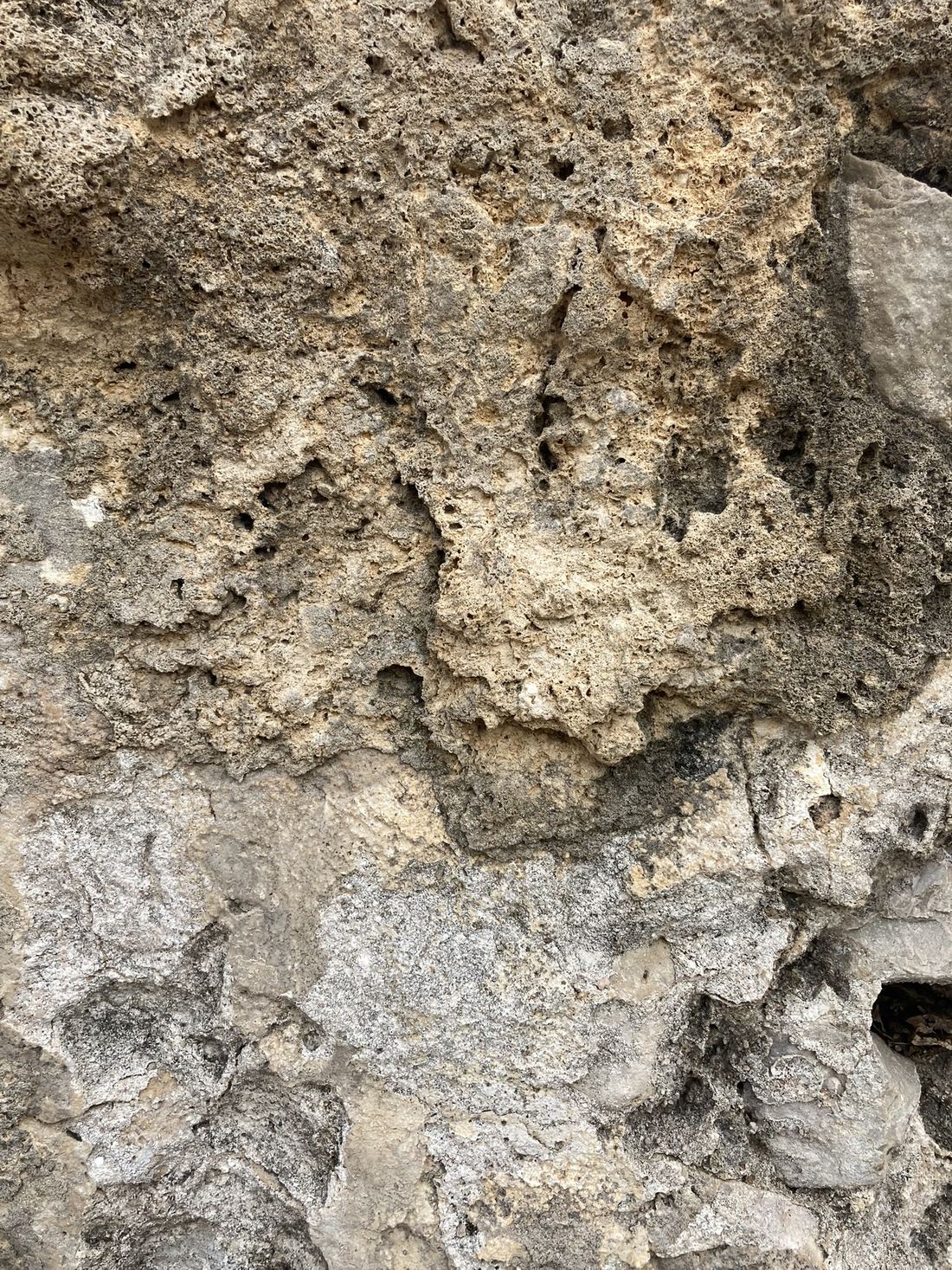
- Roman concrete from an aqueduct, Antibes: Dr Dobeaucoup, CC BY-SA 4.0
Text written by Ancient Visionary.
← Zhang Heng's Earthquake DetectorGöbekli Tepe: Stone Circles Before Farming →